INCLUSION ON THE HILL or: why the most touching performance of the summer is not a premiere
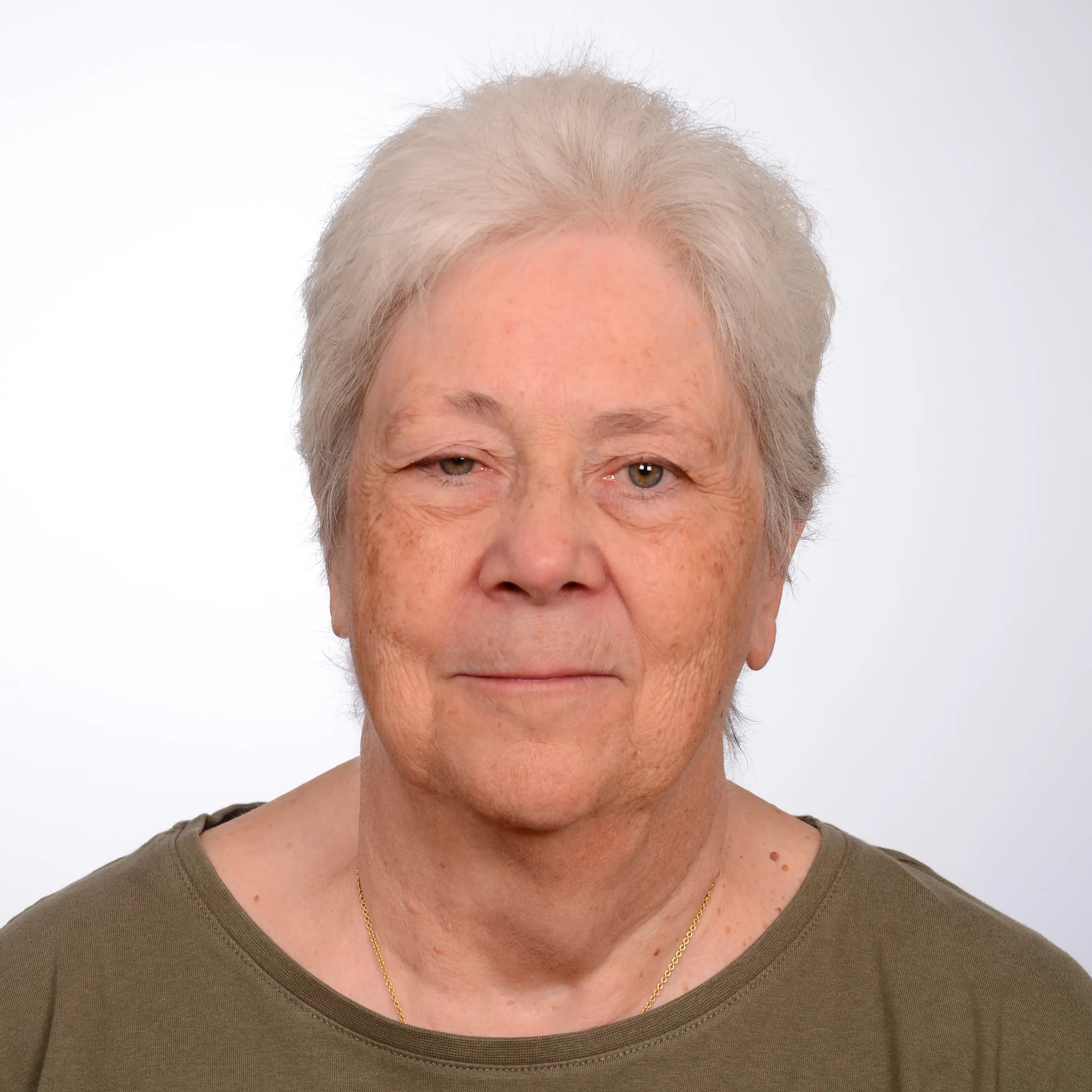
As always, this is my very personal opinion – only this time I am not reporting from the audience, but from a little further up front: I have had the opportunity to help out at the extra event for people with special needs several times. And I will tell you right from the start: There is no afternoon in the entire festival summer that I would want to miss less.
There are performances that one writes about because a famous singer is coming or a director has come up with something particularly clever. And then there is one performance each year that one writes about because it shows what this whole festival is actually about. The extra event for people with special needs is one of those. It is not at the top of any glossy brochure, it does not get the spotlight of a premiere – and yet, year after year, it is the secret heart of the Immling summer.
But let's take it step by step.
It began, as so often in Immling, with horses.
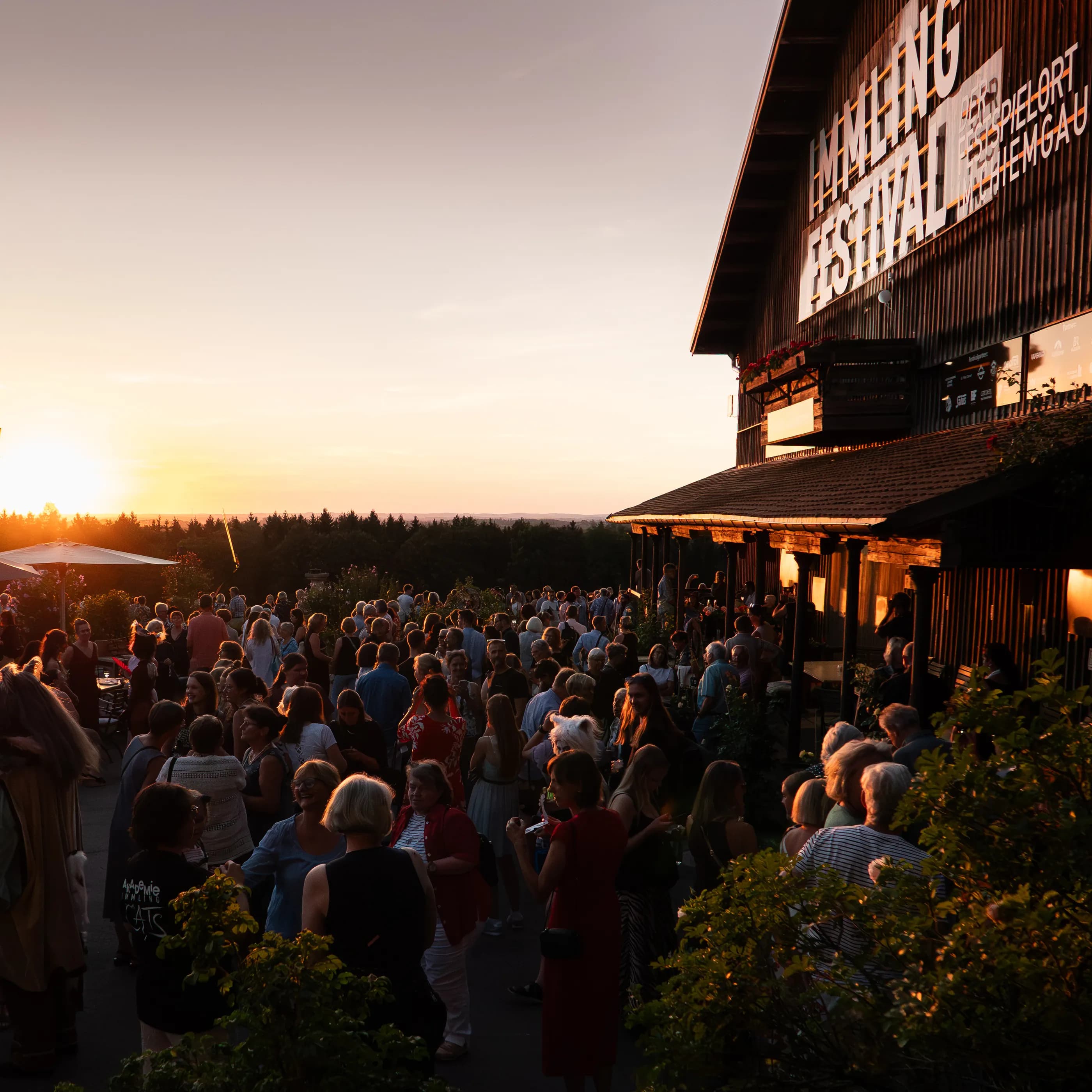
Anyone who wants to understand why inclusion in Immling is not a program point but an attitude must go back to the very beginning. Ludwig Baumann grew up on a farm surrounded by animals, and his great love has always been horses. When a stage accident in the Dresden Semperoper abruptly ended his singing career in 1994, he retreated to Gut Immling – and brought along about eighty horses (along with donkeys, goats, sheep, dogs, cats, and yes, even pot-bellied pigs, but that's another story).
However, before he could retreat, he himself was laid up for weeks. After his accident, Baumann spent many weeks in the specialized clinic in Vogtareuth – and day by day he looked at the adjacent children's ward, at girls and boys in their wheelchairs. Anyone who experiences firsthand what it is like to suddenly be dependent on help sees such images with different eyes. During those weeks, a need arose that would not leave him: to do something for these children.
And because horses are almost always at the beginning for Baumann, it became – how could it be otherwise – something with horses. Together with Toni Meggle, he founded a riding school for Bavarian dressage athletes with disabilities. What started as an idea of two men led some of the riders to world championships and Paralympic Games – one rider even won silver in Tokyo, just to name one example. This program ran for over two decades: twenty years in which people, who elsewhere would best be met with pity, showcased what they are capable of on the competition grounds.
From the same spirit – and with Toni Meggle still by his side – the opera performances then grew. In 1997, the festival was founded in the riding hall of the same estate; the riding stable became a festival house. But the fundamental attitude of the previous years simply moved over. Anyone who has ever seen a child who can hardly speak begin to shine on the back of a calm horse knows: The horse does not ask for diagnoses, it simply carries. And music, in my firm conviction, asks just as little. Inclusion has never been an afterthought social project in Immling – it has always been in the stable from the beginning and even determines the program to this day.
What an extra event for people with special needs really is – and what it costs
Let me clear up a misunderstanding: An extra event for people with special needs is not a nice gesture on the side. It is a logistical feat.
People with intellectual and/or physical disabilities come to us, many in wheelchairs, some even as bedridden patients. For this to be possible at all, the festival house is specially modified: The seating is removed, and a hall is created where there is always space for a companion next to each wheelchair space – because those who need care should have their familiar person right next to them and not three rows back. This sounds self-evident. But it is not: There are alarmingly few venues that can provide such a service.
That it has been working in Immling for a quarter of a century is mainly thanks to a foundation that hardly anyone knows and about which a good word should be said here: the Jacob and Marie Rothenfußer Memorial Foundation. It was founded in 1982 by Munich's Erich Rothenfußer in memory of his parents, and its purpose is as simple as it is beautiful – to support people with disabilities and all those who need help. For about twenty years (now rather twenty-five), it has been the patron of the extra event for people with special needs at Gut Immling; as early as 2012, it enabled a special performance of "Troubadour" here. This is also supported by the Maria Bergmann Foundation Rosenheim and the Disability Foundation of the Rosenheim district. Without these quiet benefactors, this afternoon simply would not exist – and therefore, dear foundations, let it be said here loudly: Thank you.
And then there is one person without whom I simply cannot imagine this afternoon: Hans Loy. He has been there from the very first moment. Together with his wife, he takes the ticket orders and manually issues the tickets – yes, by hand, at a time when everything else is already fully digitalized. As a wheelchair user, he knows the difficulties that a cultural visit means for people with disabilities from personal experience. Above all, however, he has built a wide network of contacts with institutions and disability associations over the years – and thus makes the festival house a place of joy year after year for all those who would otherwise have no opportunity to be there. If you ask me: That is lived inclusion, without any grand words.
When the ambulances drive up the hill
And then comes that moment that I would love to describe to you, even though it actually defies description.
When on the day of the performance a long line of ambulances winds its way up the hill and people with expectant faces are brought into the hall – then it becomes very quiet behind the scenes. I have witnessed how established artists, who sing effortlessly in front of a thousand people, have to swallow hard in that moment. It is one of the most touching moments of the entire summer, and it applies to both sides: for those who come and for those who play.
Why does this touch me so deeply? I have a sister who is autistic. Communication with her can sometimes be difficult through language – but never through music. By the way, her best friend is named Alexa, and what makes this friend so unbeatable is her classical music program. Music goes where words cannot reach. I experience this anew at every extra event for people with special needs.
And – now comes my favorite part – this audience does not sit politely. They are there with skin and hair. There is humming along, loud gasps of amazement, occasionally a comment shouted into the hall, and the applause comes immediately, honestly, and unrestrained. I have sat in many sold-out houses – but an audience as awake, as immediate, as involved as on these afternoons is rare. If you want to know what genuine, unfiltered enthusiasm sounds like: Come to the hill on such a Sunday.
Why "Cats" of all things?
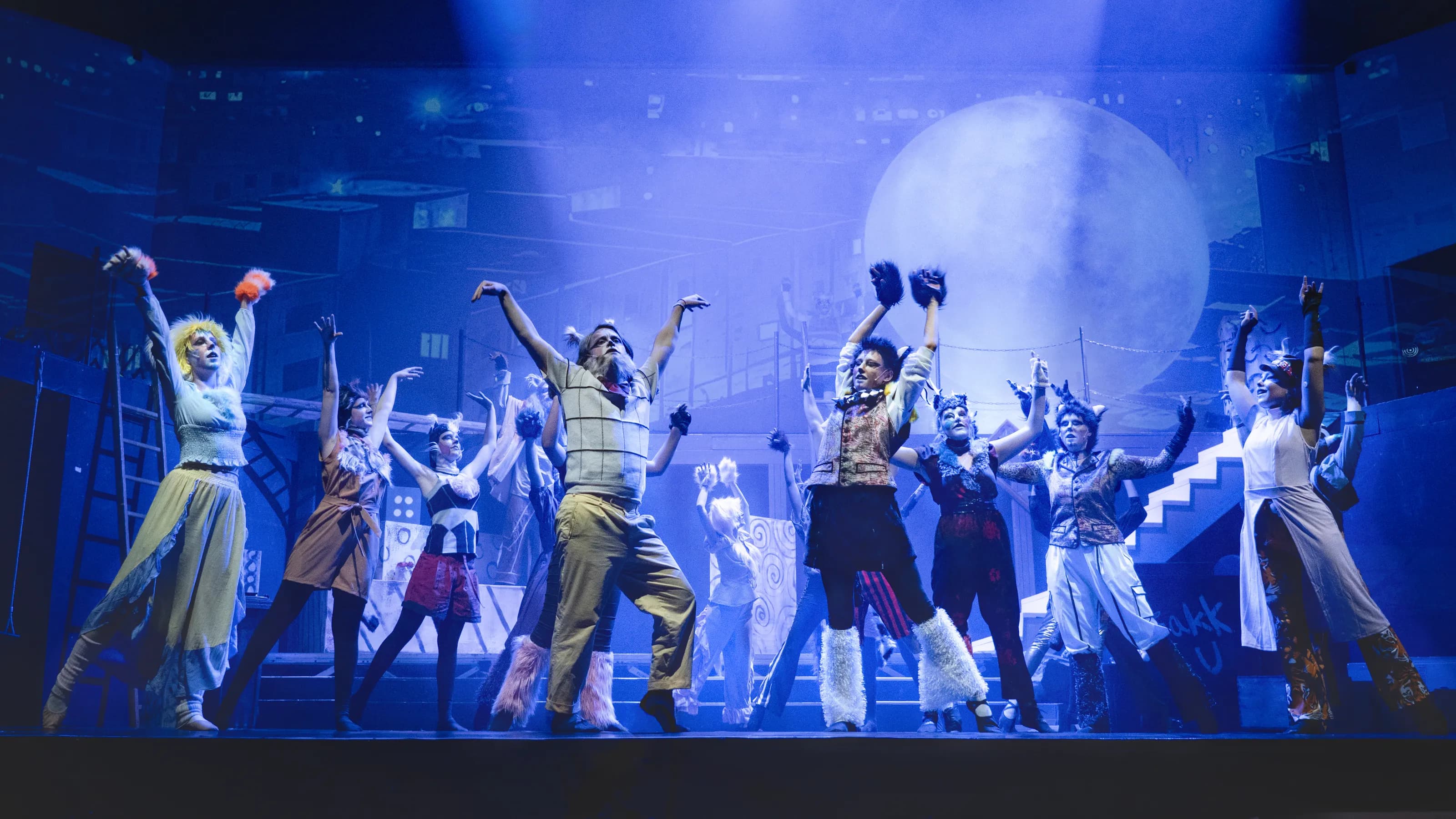
This year, the organizers wished for "Cats" – and I think they made a golden choice.
"Cats" is feline glamour with drama, performed by the young talents of the Immling Academy, on a stage that – yes, really – is a garbage dump. A wild mix of dance battle, singing show, and identity crisis in furry costumes. And that is exactly what makes it perfect for this afternoon: Here, the fine understanding of a historically complicated libretto does not count (you remember the masked ball ...), here rhythm, color, movement, and immediacy count. Cats dancing and singing are immediately understood by everyone – regardless of the background they come to the hall with.
And there is even more to it. At its core, "Cats" tells of a nightly gathering where an entire community decides who may embark on a new life. A community that comes together and leaves no one standing outside – is there a more fitting piece for a performance whose entire essence is togetherness? I don't think so. Additionally, there is a nice side effect: Here, the Immling youth, the youngest of the festival, encounters an audience that gives them something back that cannot be learned in any singing school. Both sides grow on this afternoon.
Date for everyone who now feels like experiencing or supporting this: Sunday, August 9, 2026, 3 PM, at the Festspielhaus Immling. Tickets for the extra event for people with special needs are available exclusively through the ticket office (Tel. 08055 9034-0).
In conclusion
I once wrote elsewhere that merely watching is not enough to change something. At the extra event for people with special needs, this sentence is fulfilled every year – by the foundations that make it possible, by the helpers who build and accompany, by the artists who play as if their lives depended on it, and by an audience that shows us all how to celebrate properly.
Come by. It is worth it – for everyone.
We will see each other on the hill.
Sincerely
Your Christiane Berker