Tosca – A political sex & crime masterpiece
Tosca – A political sex & crime masterpiece
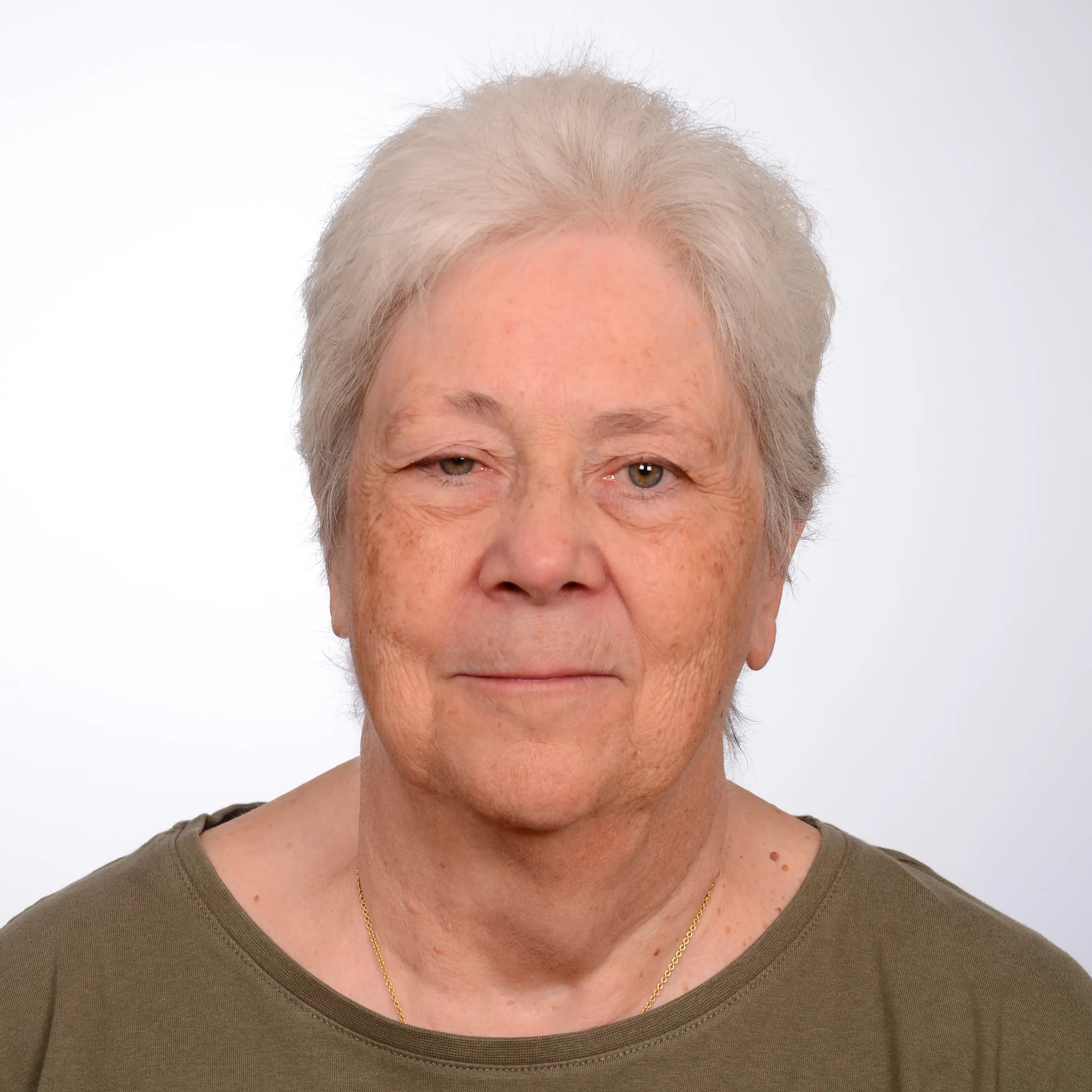
First a note: this text represents the personal opinion of Christiane Berker – what I think when I engage with Tosca...
Opera is actually completely outdated, taking place in past centuries, and they are constantly singing... well, since you are reading this text, you seem to be (like me) of a different opinion! So let's take a closer look at "Tosca" by Giacomo Puccini:
An opera that fits the current political circumstances like hardly any other! We have an artist (Floria Tosca) and an artist (Mario Cavaradossi): she, the eccentric opera diva, believing that if she lives for art, she would be protected from political violence; he, a painter and free thinker, who sympathizes with liberal or republican ideas, against which the secret police acts brutally and ruthlessly. All that is missing is the tyrant under whom the secret police operates: Scarpia, an absolutist police chief and secret ruler of Rome. He ignores laws and rules through the spread of fear and violence. Scarpia exemplifies the unchecked striving for totalitarian power; his sexual sadism is just another example of this.
If names like "Trump" and "ICE" and terms like "state arbitrariness and police violence", "political persecution and its consequences" come to mind, it becomes clear how relevant the opera's reference has remained for more than a century, in our present world, where dictators openly display how they intend to remain in power.
If you don't quite remember what happens in Tosca, here is a brief summary of the opera:
A political prisoner (Cesare Angelotti) escapes from prison and sets off the misfortune, as Cavaradossi helps him and offers him shelter. For Scarpia, the perfect bait to finally make Tosca submissive. Me-Too is older than you think... Scarpia exploits the jealousy of the eccentric diva Tosca and begins a perfidious game that transforms the heroine on stage into a self-confident heroine in life – she agrees to the deal "sexual favors for Cavaradossi's life" and realizes too late that she cannot escape Scarpia's vile machinations beyond his violent death.
Cavaradossi is eliminated as Tosca's lover after he accidentally gets caught up in the system of arbitrariness by helping a friend. His joy over Napoleon's victory is enough for him to be executed without trial. His death exposes the absolute power of a police state and the corrupt "morality" of the man Scarpia. People are mere figures that he can push around and use, exploit, and destroy at will.
When people fall victim to the ruthless wheels of politicians, life, as one imagines it as an individual, can no longer be lived.
The entire piece takes place within 24 hours, and as an audience member, you hardly get a chance to catch your breath musically. Although the opera tells a fictional story, it belongs to the "Verismo" operas (Verismo = realism), so it is no longer about noble or mythological figures, but shows the "simple life of ordinary people". Therefore, it also deals with relationship crimes and other acts of violence. Tosca takes place at real locations (the church Sant' Andrea della Valle, the Palazzo Farnese, and the Castel Sant' Angelo in Rome) during the time of the Napoleonic Wars in Italy, even with exact dates: on June 17 and 18, 1800. Musically, realistic sounds were incorporated into Verismo, such as screams, gunshots or cannon fire, church bells, etc. In earlier operas, brutal scenes did not take place on stage (see "Lucia di Lammermoor"), but were rather "reported" by others, but Puccini allowed murder, attempted rape, and execution to take place on stage. Today, this is taken for granted, but in 1900, Puccini employed stylistic devices that later became standard in film techniques: he presents us with rapid scene changes, the orchestra reacts precisely to what is happening on stage, and this musical "accompaniment", the representation of emotions such as fear, torture, despair, etc., makes the orchestra the narrator. From the very first moment, we are right in the middle of it, and this musical tension remains until the final chord. The story is actively narrated, recurring motifs underscore the respective person, a feeling, or a situation. Scarpia is introduced by threatening brass instruments in the very first bars of the opera, love scenes are (of course!) accompanied by lyrical strings, and the scenes in the church feature organ, bells, and choir. The "Te Deum" at the finale of Act 1 is considered by many musicologists to be one of the greatest operatic moments ever: while a service is being celebrated, Scarpia sings of his power fantasies and how he intends to make Tosca submissive. Ecclesiastical splendor and corrupt morality resonate side by side – just like in real life...
If you listen to the music without reading the subtitles, you often learn more about the plot than the characters themselves tell. It is also exciting how the musical scene changes jump back and forth between the public grand scenes and the very personal moments of the performers. All of this has led to Tosca being regarded as one of the most perfect works of Giacomo Puccini.
And if you want to come off as a bit nerdy, casually mention in conversation how fantastically Tosca performed "Vissi d’arte" ("I lived for art") in the second act so beautifully and desperately – one of the emotional highlights of the opera!
And it gets nerdy with Cavaradossi: he not only performed the aria "Recondite armonia" ("Hidden Harmony") in the first act wonderfully lyrically, but also in the third act "E lucevan le stelle" ("And the stars shone"). In his farewell letter to Tosca, he increasingly describes his despair over the impending end of his life, recalling their first night of love: ("The hour is over, and I die in despair! And I have never loved life so much").
The aria is so famous that the jazz piece "Avalon" from 1920 is considered a musical plagiarism – so much for "classical music is not contemporary". But now you also know when you should definitely clap... because that is not so easy in "Tosca", as the "pieces" flow into each other, there are no "individual, consecutive numbers". But Puccini had an understanding with his artists, and these three arias are musically separated so that we audience members can reward them for their art with the second most important fee – applause!
By the way, Puccini had planned to let Tosca "sink lifeless to the ground" at the end; alternatively, she was to go mad (more on mad women in opera in thoughts on "Lucia di Lammermoor" next time...), but Victorien Sardou, the author of the play "La Tosca", from whom Puccini eventually bought the rights for the opera through some intrigues, did not accept either of these solutions, but insisted on Tosca's leap from the Castel Sant' Angelo to her death. The previously considered death of the police agent Spoletta, it would have been the fifth dead in "Tosca", was omitted. The idea that Tosca jumps from the Castel Sant' Angelo into the Tiber was also discarded, as the Tiber unfortunately did not run directly past the Castel Sant' Angelo...Nevertheless, "Tosca" is considered the quintessential primadonna opera! Her dramatic leap from the Castel Sant' Angelo is technically more elaborate than the many other ways of dying that opera can present, and great caution is required – after all, the singer is supposed to sing and die on the following evenings as well... Often, mattresses were used so that the artist falls softly enough not to injure herself. And if they were too soft – and Tosca reappears? Then this leads to one of the famous anecdotes in opera history, as recounted by actor and opera director Otto Schenk in his homage "Tosca on the Trampoline and Other Opera Disasters" from 1982.Look forward to the exciting interpretation by Ludwig Baumann – you know he is always good for a surprise.
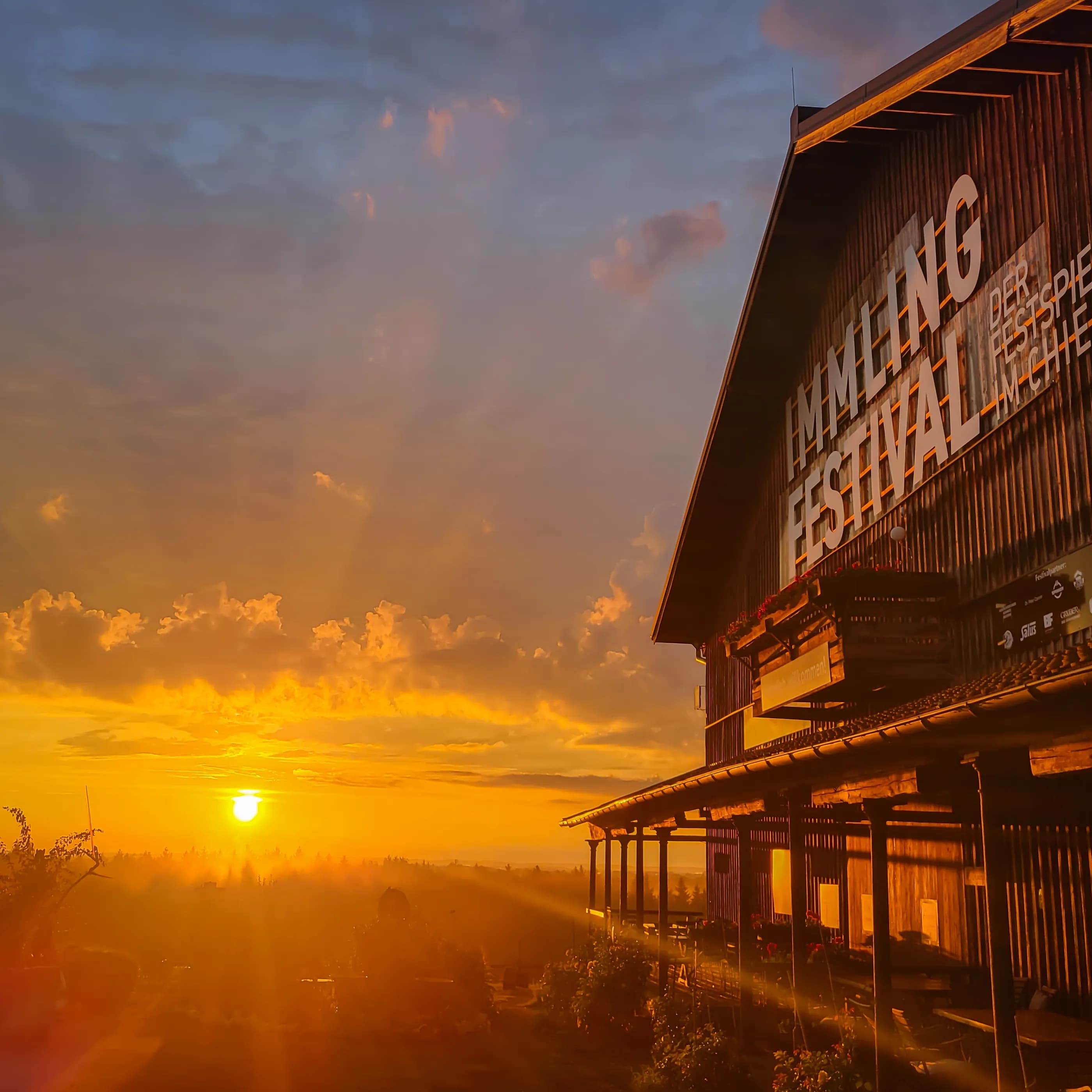
So, now you have heard everything important about "Tosca" and hopefully feel a great desire to see this grand musical spectacle live on the Immlinger Hill!
In this sense – see you at sunset!
Warm regards, your Christiane Berker
In diesem Sinne – wir sehen uns im Sonnenuntergang!
Herzlichst Ihre Christiane Berker